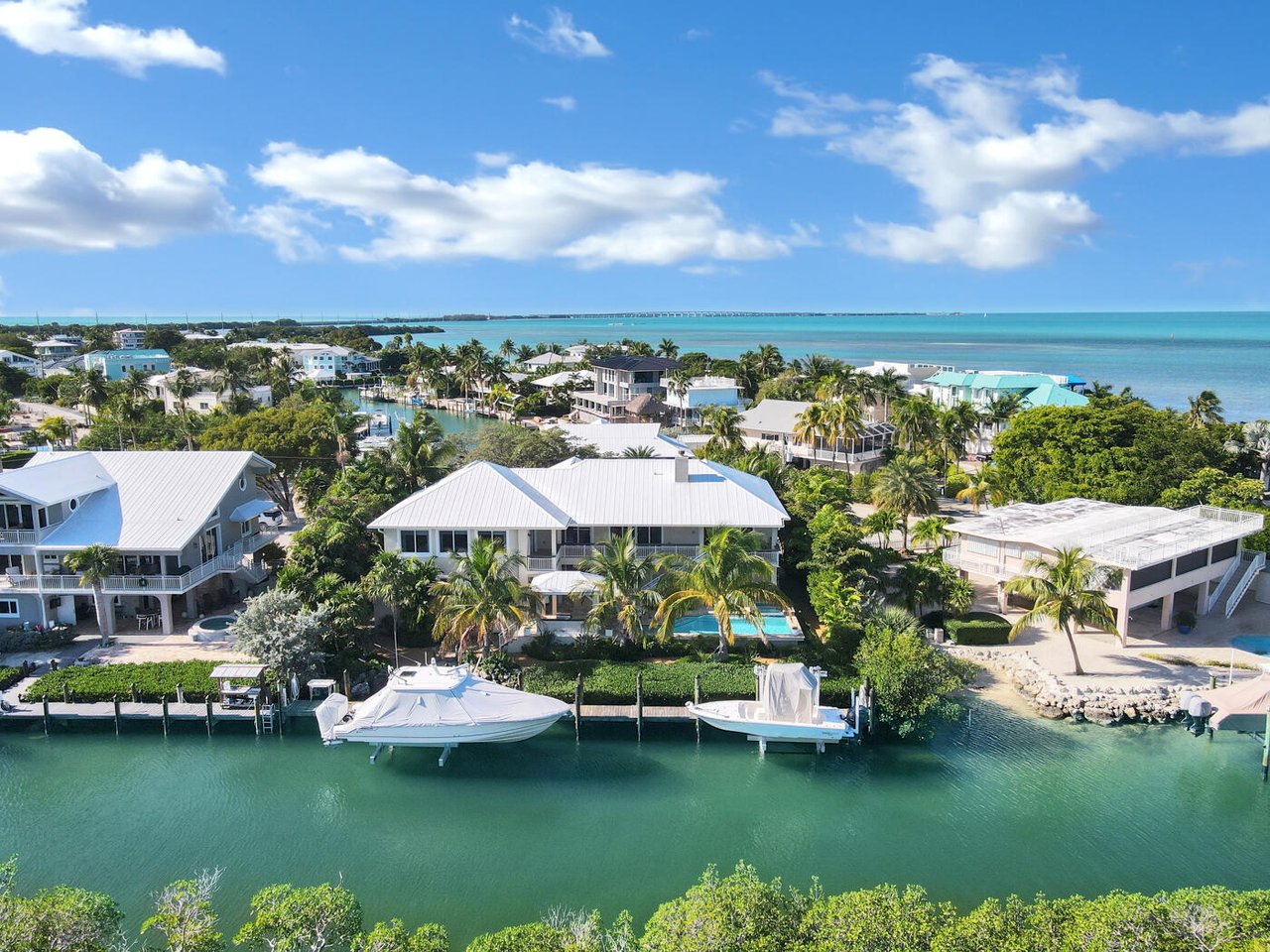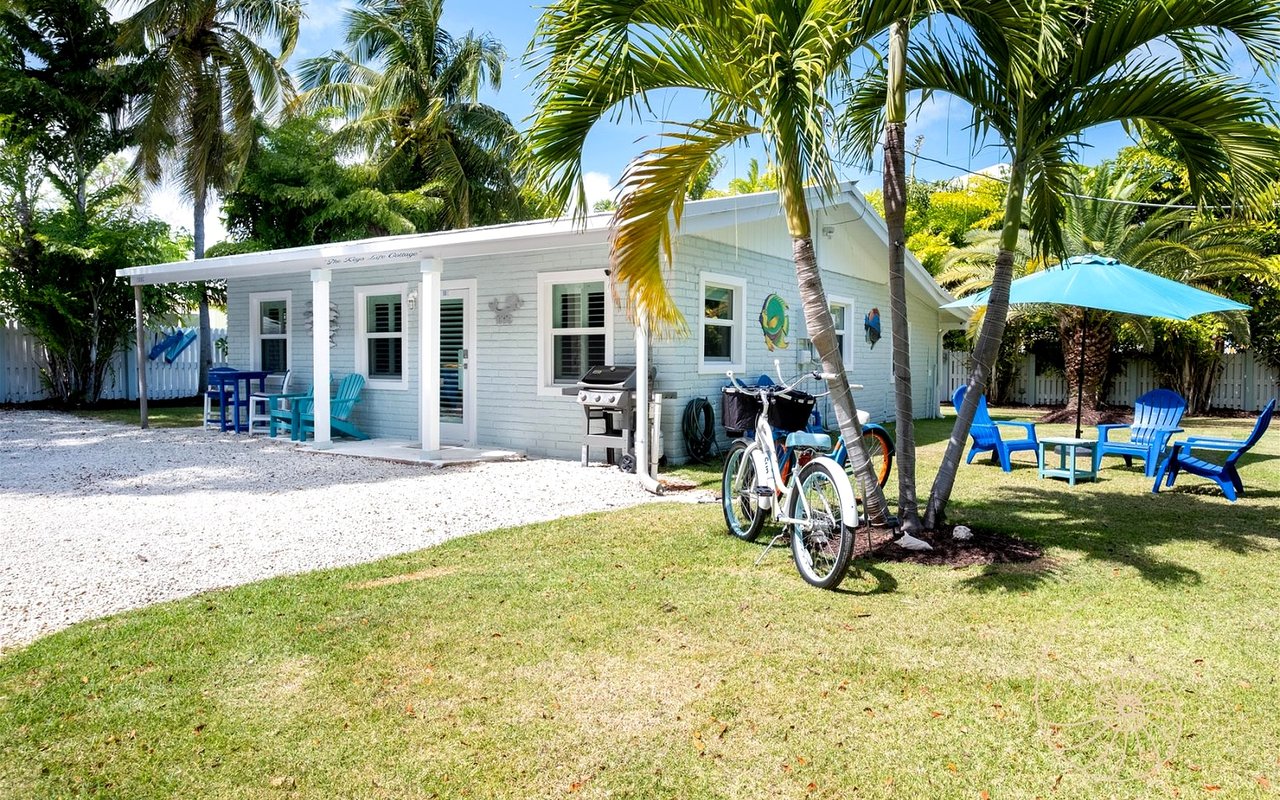
Buying real estate in appealing destinations like Islamorada often sparks a choice between securing a second home for personal enjoyment or investing in a property designed to generate income, and while both paths can be rewarding, the motivations, financial considerations, and long-term implications behind each decision differ significantly, making it essential for buyers to understand how ownership intentions, tax rules, and usage patterns shape the best option for their needs.
What Defines a Second Home?
A second home is typically purchased for personal enjoyment—such as a retreat in Islamorada—where the owner plans to spend meaningful time throughout the year, and because the property is intended primarily for personal use rather than income, lending terms may be more favorable, though owners must adhere to lender requirements that limit the amount of time the home can be rented out and maintain it as a true vacation residence rather than a revenue-driven asset.
What Defines an Investment Property?
An investment property is acquired with the primary purpose of generating income through short-term vacation rentals or long-term leasing, and lenders evaluate these purchases differently by often requiring larger down payments, higher interest rates, and proof that projected or existing rental income can support the mortgage, ultimately making these properties ideal for buyers seeking financial return rather than personal leisure use.
Financing and Mortgage Requirements
Financing differs greatly between second homes and investment properties because lenders view personal-use homes as lower-risk assets, offering terms more similar to primary residences, while investment properties involve more stringent qualifications, such as higher credit score requirements, more robust income verification, and increased reserves, all due to the assumption that rental-driven properties present a higher chance of default during market fluctuations or vacancy periods.
Tax Benefits and Limitations
Tax treatment is one of the clearest distinctions, as second homes often offer limited deductions, typically allowing owners to deduct mortgage interest and property taxes but not operational expenses, whereas investment properties may qualify for extensive tax advantages including depreciation, maintenance deductions, management fees, utility costs, and other write-offs that help reduce taxable income and make long-term ownership potentially more profitable.
Rental Income Potential and Restrictions
While a second home may be rented part-time, it is subject to strict limitations if owners want to maintain second-home mortgage terms or avoid being reclassified as an investment property, meaning rental income opportunities remain secondary to personal use, whereas an investment property is specifically structured for consistent rental income with far fewer restrictions on rental frequency or duration, allowing owners to maximize their earning potential.
Lifestyle Advantages of a Second Home
Choosing a second home is often a lifestyle decision, providing a personal getaway where owners can escape, celebrate family traditions, or enjoy the charm of locations like Islamorada, and because the property is designed for comfort rather than occupancy turnover, it often becomes a long-term emotional asset that offers stability, familiarity, and a sense of retreat that investment-focused properties rarely provide.
Financial Advantages of an Investment Property
Investment properties shine when viewed through a financial lens because they can build equity while generating income, giving buyers the possibility of long-term wealth accumulation, and when managed strategically—through competitive pricing, high-occupancy planning, and property improvements—they can deliver consistent cash flow that offsets operating costs and eventually provides a strong return on investment over time.
Maintenance Responsibilities and Wear
A second home typically experiences less wear since it is used primarily by the owner and their guests, allowing for easier maintenance and predictable upkeep, while investment properties see higher traffic from frequent renters, requiring more robust maintenance budgets, professional cleaning schedules, and ongoing repairs, all of which owners must factor into their long-term operating expenses and overall investment strategy.
Impact on Long-Term Wealth and Planning
Second homes can contribute to wealth through appreciation and act as valuable personal assets that may be passed down to future generations, whereas investment properties function as business assets that can diversify a portfolio, deliver ongoing passive income, and potentially enhance financial security, giving buyers distinct paths for building long-term value depending on whether they prioritize leisure or cash-flow performance.
Deciding Which Option Fits Your Goals
The choice between a second home and an investment property depends on whether a buyer values personal enjoyment or financial return more, and evaluating lifestyle needs, budget constraints, long-term goals, desired time spent in the home, and interest in property management helps clarify the ideal path, ultimately ensuring buyers make a decision aligned with both their emotional priorities and financial reality.
Clarifying the Path to Smart Ownership
Choosing between a second home and an investment property requires a close look at how a buyer plans to use the home, what financial benefits matter most, and how they envision their long-term relationship with the property, and by evaluating lifestyle benefits, tax implications, rental potential, and ownership responsibilities, buyers can confidently select the option that supports their goals while making the most of markets like Islamorada.
Coastal Realty of the Florida Keys: Your Partner in Smart Real Estate Decisions
When buyers are ready to explore second homes or investment properties in coastal markets, the expert guidance of Coastal Realty of the Florida Keys can help them move forward with clarity, confidence, and local insight, and their team is committed to connecting clients with homes that suit their long-term goals while offering personalized support for navigating mortgage options, rental strategies, and market opportunities across the Florida Keys.